Music in the 1950s
An exploration of cultural integration: Jazz and Rock & Roll music
During the 1950s, one prominent aspect of American music was the integration of cultures. Set on a backdrop of the Cold War and the civil rights movement in the United States, American society was more than ever focused on integrating culture into the American way of life. Trends, performers, and themes within 1950s jazz, popular, and rock & roll music in America are exemplars of the wider cultural integration present within the United States at the time.
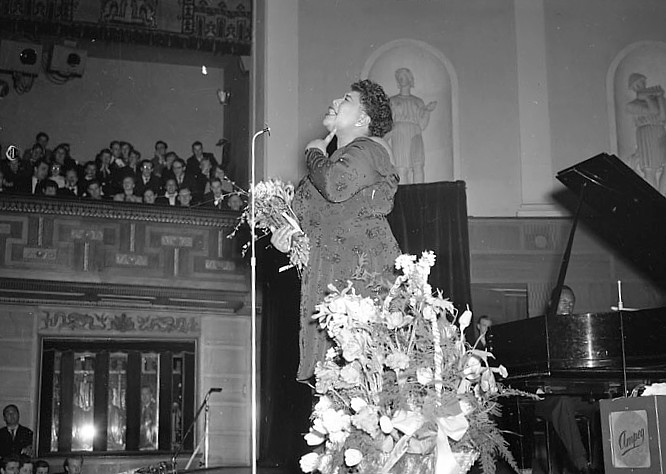
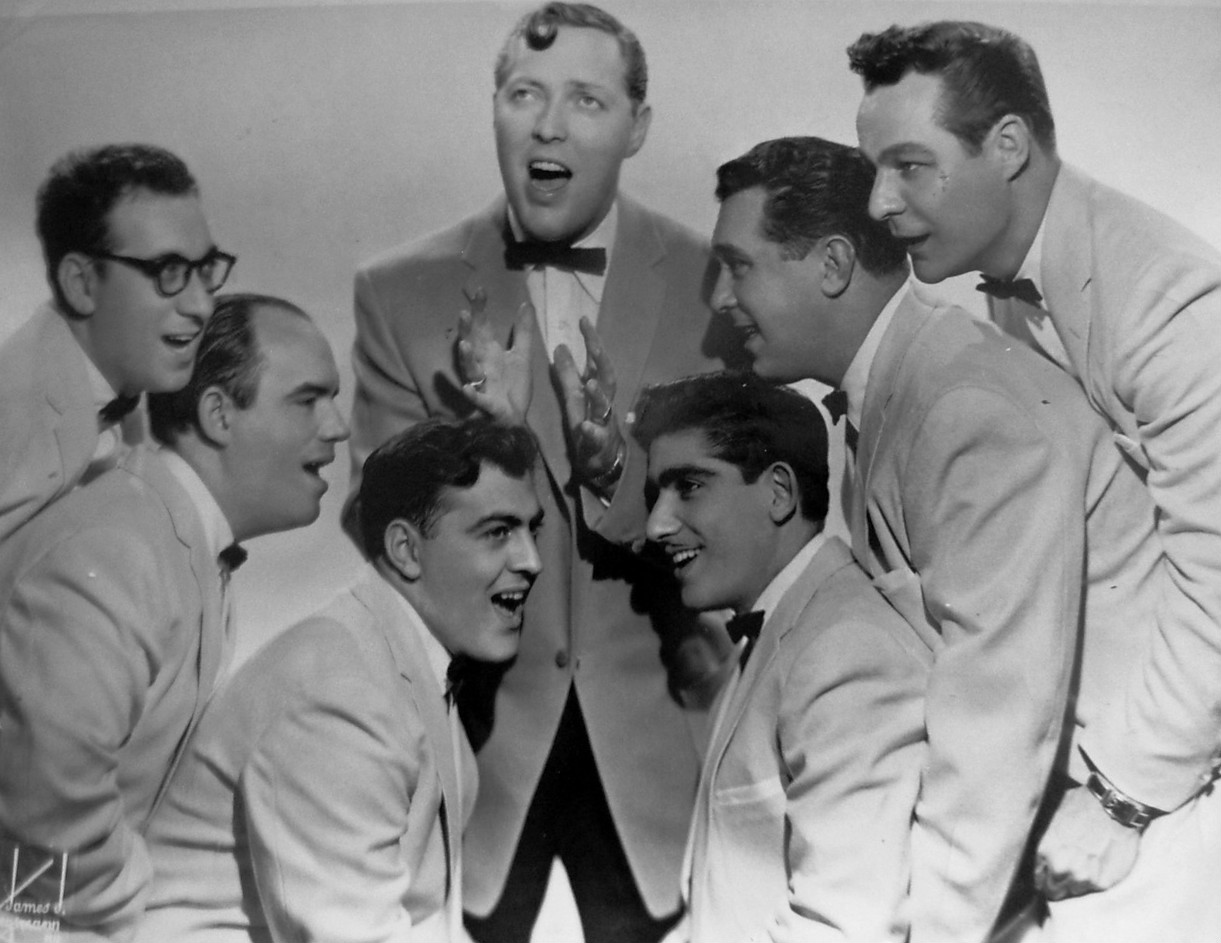
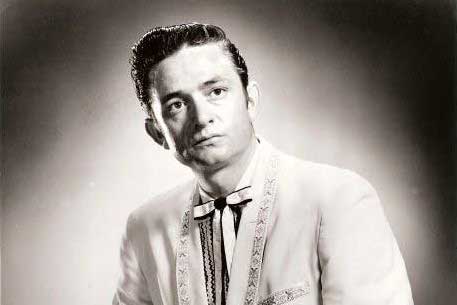
Jazz music, born in New Orleans in the late 19th and early 20th centuries, crossed cultural lines to reach integration into wider American society. This happened to a great extent during the 1950s, with performers such as Ella Fitzgerald and Frank Sinatra bringing the form to mainstream American audiences. Rock and roll, a genre synthesized from musical styles across America pioneered by Bill Haley and His Comets, was used to communicate societal struggles through the work of Johnny Cash.
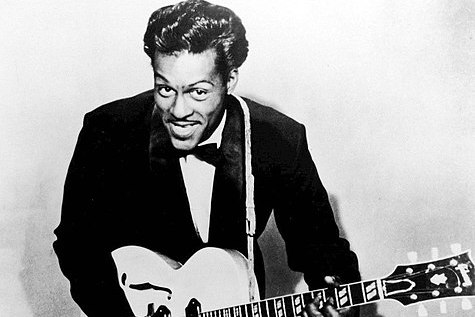
Rock and roll artists were also able to increase the racial integration that was growing in the United States following the 1954 Supreme Court decision on Brown v. Board of Education, with Chuck Berry bringing music by a black artist to white audiences. Music crossing cultural boundaries was not limited to the United States, though. To bring American culture to the rest of the world, the State Department sponsored the Jazz Ambassadors—a group of American jazz musicians—to play jazz in other countries around the world with ideologies very different than those of the United States. The popularity of Rock and Roll music also allowed it to influence the rebellious stilyagi in the Soviet Union and the Eastern Bloc.
_(LOC)_(4977081468).jpg)